
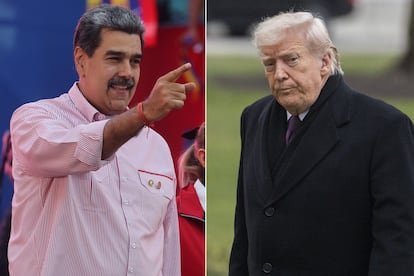
In a dramatic and unprecedented escalation, the United States attacked Venezuela militarily on January 3, 2026, taking as hostage both Venezuelan President Nicolás Maduro and his wife, Cilia Flores. U.S. President Donald Trump announced early Saturday that an operation successfully removed Maduro from power and he, together with Flores, has been taken into U.S. custody.
1. Months of Escalating Pressure
The capture followed a months-long campaign of military and legal pressure by the U.S. against the government of Venezuela. Since late 2025, Washington had built up substantial military presence in the region, with strikes on narcotics trafficking routes and Venezuelan-linked vessels; the U.S. justifies such activity as needed to try to staunch the flow of illegal drugs into the United States.
2. Drug-Trafficking and “Narco-Terrorism” Charges
One of the major justifications for this action is the long-standing accusation of the Maduro government’s intimate link with international narcotics rings. US prosecutors have charged Maduro and other Venezuelan leaders with crimes of narco-terrorist activities and conspiring against the US in the export of cocaine. In addition to this, millions of dollars were being offered for his capture
3. National Security and Migration Concerns
U.S. administrations have expressed and repeatedly argued that instabilities in Venezuela posed an overarching threat related to U.S. national security. They argued Venezuelan governance problems, organized crime, and the incitement of illicit migration streams were contributing factors toward broader issues leveling the United States itself. This was repeatedly referenced as a reason for military intervention.
4. Unresolved Diplomatic Tensions
Relations between the United States of America and Venezuela have been tense for many decades, but this intensified when Maduro became the president of Venezuela. The United States government has always been in conflict with the government of Venezuela regarding legitimacy in governance, human rights discrepancies, as well as democratic processes in the country of Venezuela. Additional causes include Maduro’s Presidency despite disputed election victories.
5. Legal and International Debate
Domestic U.S. commentators and international onlookers have expressed doubts concerning the legality of this military operation, inasmuch as there was no authorization from the U.S. Congress for military interventions in Venezuela. Various leaders of Latin American states and the Mexican government disapproved of the aerial attacks, terming them the infringement of international law.
6. Broader Implications
The unexpected arrest of a Latin American president currently in power by US military intervention has caused shock waves in Latin America and throughout international communities. Venezuela finds itself faced with an unclear future, having had important governmental institutions intact, although concerns over political stability and succession have mounted. In response, international reactions have been characterized by a polarized sense of support versus dangerous precedent.
In Summary
The U.S. move to capture Nicolas Maduro was motivated by a long history of diplomatic enmity, allegations of high-level involvement in drug trafficking cartels, and mounting military pressure. Although Washington perceives its mission to capture Maduro as legal and just for its protection and justice, it continues to evoke debate globally over its legality and implications.