
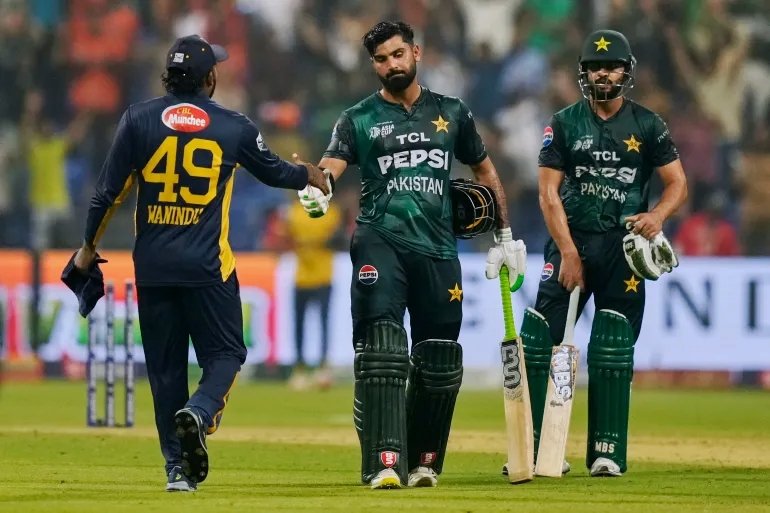
Pakistan initiated their three-game T20 International match series against Sri Lanka in a mixed affair of what worked and what did not, as they won the toss and elected to field in the first match at the Rangiri Dambulla International Stadium in Dambulla, as the team appeared to have confidence in their bowling lineup before the T20 World Cup.
The major news for Pakistan was the inclusion of all-rounder Shadab Khan, who was included in the playing XI following a recovery from an injury. The inclusion of Shadab has been a point of keen interest, especially following his positive performances within Australia’s Big Bash League, where he demonstrated an ability to recapture his rhythm.
Pakistan, with some of its senior players playing in overseas leagues, included a mix of experience and youth. The team’s top order included an attacking left-handed batsman, Saim Ayub, and Sahibzada Farhan and Fakhar Zaman, while the middle order included the team captain, Salman Ali Agha, and wicketkeeper-batsman Usman Khan. The Pakistan bowling attack included a mix of pacers and spinners, with the likes of Shadab, Mohammad Nawaz, and Abrar set to play an important role, as the wicket was historically prone to turns.
Sri Lanka, batting first, also took a somewhat balanced approach towards their innings. Headinged by a pool of players that consists of guys like Kusal Mendis, Charith Asalanka, and Dasun Shanaka, they prepared to get a decent total while dealing with a mix in the Pakistani bowling line-up. Their batting order also looks well-balanced, as they have a number of quality spinners that will take care of their middle overs plans.
Both sides are treating this series like a vital practice session instead of just a competition for results. For Pakistan, it is about learning effective mixes and matches, reviving key players, and accumulating momentum. For Sri Lanka, it is about honing their strategies in local settings and establishing a collective within their camp.
As the inaugural match of this series began in Dambulla, there was much more at stake than mere results on a scoreboard. It represented a reflection of two teams in a transitional phase, a period of ironing out strategies and working on a framework that will help them face what lies ahead on a global platform.